Why Low Testosterone Is More Than “Getting Older”
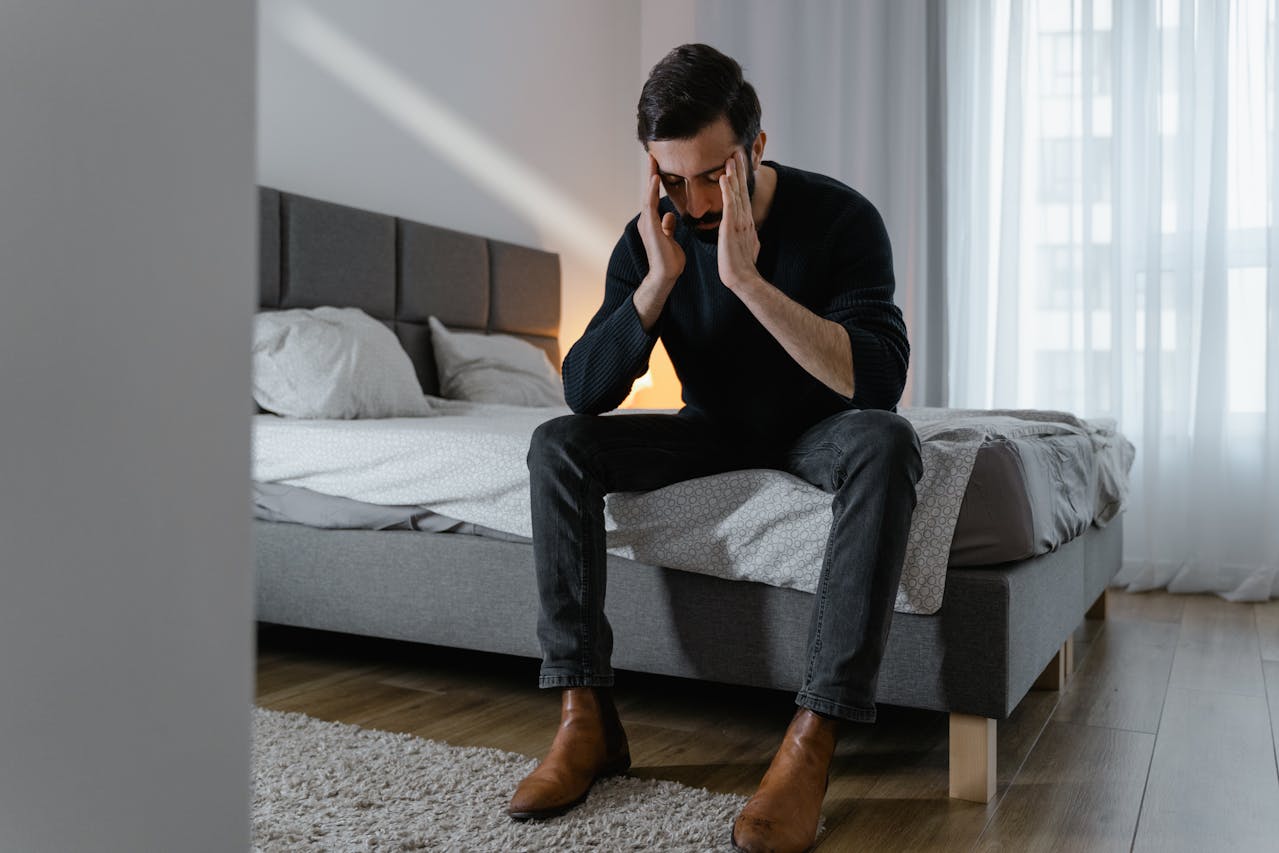
Low testosterone is not just about age or losing interest in sex. It can show up as afternoon crashes, low motivation, stubborn belly fat, brain fog, and feeling like your body is working against you, even when you are trying to be healthy. Many men notice it more as warm weather activities pick up and their energy just cannot keep up.
At Astra Health and Wellness, we see low testosterone as a signal from the body, not just a number on a lab report. Hormones respond to stress, sleep, food, toxins, and hidden inflammation. When those systems get out of balance, testosterone often drops.
Our functional medicine approach looks at why testosterone is low, which other systems are involved, and when men’s hormone therapy is actually the right next step. In this checklist, we will walk through the signs of drifting testosterone, the labs to ask for, the lifestyle triggers to address first, and how to tell when bioidentical testosterone therapy fits into a long-term plan for real balance.
Hidden Signs Your Testosterone Is Drifting Low
Low testosterone is about much more than libido. Some of the quieter body signals include:
- Fewer or weaker morning erections
- Decreased muscle mass, even when you are lifting
- More fat around the waist that will not budge
- Achy joints and slower workout recovery
- Feeling “older than your age” during normal daily tasks
Emotional and mental changes can be just as telling. Many men notice they do not feel like themselves but cannot quite say why. Common patterns are:
- Lower drive and competitiveness
- Flat mood, apathy, or mild depression
- Anxiety, irritability, or a short fuse
- Pulling back from social time
- Trouble focusing or remembering details
Over time, testosterone changes often travel with other health flags like higher blood pressure, shifting cholesterol, rising blood sugar, sleep apnea, and non-refreshing sleep. These do not always mean low testosterone on their own, but the cluster matters.
We encourage men to treat these clues as a pattern, not separate problems. Before you see a clinician, it helps to write down:
- When symptoms started
- What makes them better or worse
- How they affect work, relationships, and exercise
That story, paired with labs, gives a much clearer picture than any single test.
The Essential Low Testosterone Lab Roadmap
A basic total testosterone level is only the beginning. For a real view of hormone health, we usually like to see a more complete hormone panel, drawn in the early morning while fasting, when testosterone naturally peaks. Key markers include:
- Total testosterone
- Free testosterone
- SHBG (sex hormone-binding globulin)
- Estradiol (E2)
- DHEA-S
Standard lab ranges are wide and do not always reflect what feels “optimal” for a specific man. This is why interpretation and context matter so much.
Hormones never act alone. At Astra Health and Wellness, we often add metabolic and inflammation markers to see how your whole system is working:
- Fasting glucose and insulin
- HbA1c
- Full lipid panel
- hs-CRP and ferritin
- Homocysteine
- Thyroid panel, including TSH, free T3, free T4, and thyroid antibodies
These help us see how your body is producing, converting, and clearing hormones. For safe men’s hormone therapy, we also look at:
- CBC, to check red blood cell levels
- PSA and a prostate exam
- Liver function tests
- Vitamin D, zinc, and magnesium
- Morning cortisol in some cases
Bringing a lab checklist like this to your visit can be very helpful. Our focus is on how these markers relate to each other rather than chasing a single “off” number.
Lifestyle Triggers That Quietly Crush Testosterone
Hormone levels are highly sensitive to how you live day to day. Some of the biggest testosterone drains are things many men see as “normal.”
Sleep and stress come first. Late nights, shift work, scrolling in bed, and light sleep all lower testosterone and raise cortisol. Chronic pressure from work, family, or finances keeps the body in a constant “fight or flight” mode that wears down hormone balance.
Simple first steps can include:
- A consistent bedtime and wake time
- A dark, cool room with screens off before bed
- Short daily stress breaks, such as breathing, walking, or quiet time
Food, alcohol, and blood sugar also play a big role. Ultra-processed snacks, sugary drinks, and heavy summer drinking can push the body toward insulin resistance and abdominal fat. More belly fat means more aromatase, the enzyme that turns testosterone into estrogen.
Foundational “testosterone hygiene” looks like:
- Regular meals with good protein at each one
- Healthy fats from whole foods
- Plenty of non-starchy vegetables
- Limiting alcohol, especially frequent binge drinking
Movement and body composition matter as well. Being mostly sedentary, overdoing long, hard cardio, or skipping strength training can lower the signal for testosterone production. In contrast, walking often and lifting in a smart, steady way supports hormone balance and insulin sensitivity.
We also keep an eye on environmental hormone disruptors. Plastics, synthetic fragrances, and some pesticides can act like weak estrogens in the body and add to liver load. Reducing regular exposure, when possible, is another quiet way to support your hormones.
When men address these triggers, many see testosterone rise without any prescription. If men’s hormone therapy is still needed, these habits make it work better and more safely.
When Bioidentical TRT Makes Sense and When It Doesn’t
Bioidentical testosterone therapy uses hormones that match the structure of the testosterone your body makes. It may be delivered as injections, creams, or gels, or pellets. At a clinic like ours in St. George, dosing is personalized and monitored over time.
Situations where bioidentical TRT may be a logical next step include:
- Repeated morning labs showing low total and free testosterone
- Significant symptoms that interfere with daily life
- Core lifestyle changes already in motion
- Root-cause issues like serious thyroid problems or sleep apnea at least partly addressed
In these cases, we talk clearly about potential benefits, risks, and what to expect. Men’s hormone therapy is not a magic switch, but it can be a strong support when used at the right time and in the right way.
TRT can act like a band-aid when:
- Obesity and high abdominal fat are not being addressed
- Alcohol intake is still heavy or frequent
- Sleep apnea remains untreated
- Stress is extreme and unmanaged
- Major nutrient gaps are ignored
Starting testosterone in these settings can bring downsides, such as thicker blood, mood shifts, fertility issues, and possible strain on the cardiovascular system, especially without careful monitoring. Follow-up labs, dose adjustments, and regular check-ins are non-negotiable in our view.
Our goal at Astra Health and Wellness is a middle path. We are not against men’s hormone therapy and we do not reach for it as the first or only answer. We use it as one tool inside a full, root-cause plan.
Building Your Personalized Hormone Action Plan
If you see yourself in these symptoms, the next step is to get organized and intentional. A clear starting point might include:
- A symptom journal, tracking energy, mood, sleep, and libido
- A lifestyle audit of sleep, stress, food, alcohol, movement, and toxin exposure
- A prioritized lab list, based on the roadmap above
From there, choose one or two simple changes you can start this week, such as going to bed 30 minutes earlier or adding a daily walk. These steps support your hormones even before testing and treatment begin.
During a visit with Astra Health and Wellness, we take time for a detailed intake, order comprehensive labs, and map out the likely root causes behind low testosterone. Then we build a phased plan that may include nutrition support, movement guidance, stress strategies, targeted supplements, and, when appropriate, carefully monitored bioidentical TRT.
Our focus is long-term balance and resilience, not a quick hormone “hack.” Many men describe feeling like they are stuck in second gear. With the right evaluation and a thoughtful plan, it is possible to move back into a state where your hormones support the life you want to live, instead of holding you back.
Reclaim Your Energy and Confidence With Personalized Care
If you are ready to address low energy, mood changes, or other hormone-related symptoms, our team is here to help you feel like yourself again. We provide individualized men’s hormone therapy plans designed around your unique health history and goals. At Astra Health and Wellness, we take the time to listen, test thoroughly, and guide you step by step. Reach out today to contact us and schedule a consultation.