
When Desire Fades and Hormones Are to Blame
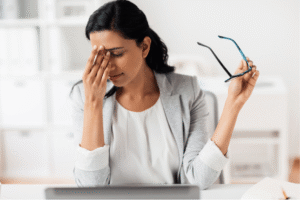
Low libido can feel confusing and frustrating. You may care about your partner and enjoy time together, but the spark is just not there. It can feel even harder when life gets busier and everyone seems to expect more energy, more fun, and more intimacy from you, while you feel like you are running on empty.
We want you to know that a drop in desire is very common, and it is not just in your head. For many women and men, low libido is closely tied to hormone changes. Hormones affect sexual desire, mood, sleep, energy, and how comfortable you feel in your own body. When they are out of balance, libido often fades along with your sense of vitality.
At Astra Health and Wellness in St. George, we focus on finding and addressing root causes, not just writing a prescription and hoping for the best. In this article, we will walk through how to tell when low libido may be related to hormones, which imbalances commonly play a role, what modern treatment for low libido can look like, and simple lifestyle habits that support healthy desire.
How to Tell When Low Libido Is Not Just Stress
Life stress can absolutely lower desire. So can lack of sleep, long work days, conflict with a partner, and caring for kids or aging parents. Some medications, heavy alcohol use, and nicotine can also make it harder to feel interest in sex.
Signs that low libido might be more than stress include:
- Desire dropping suddenly and staying low for months
- Feeling tired all the time, even after sleep
- New or worsening mood swings or anxiety
There are also clear hormone-related red flags, such as:
- Hot flashes or night sweats
- Unexplained weight gain or belly fat
- Brain fog or trouble focusing
Gender-specific clues can give more information. Many women notice:
- Vaginal dryness or burning
- Pain or discomfort with sex
- Struggling to reach climax or weaker orgasms
Many men notice:
- Weaker erections
- Fewer morning erections
- Less interest in sex than they used to have
The emotional impact is real. People often say they feel “not like myself,” guilty with a partner, or worried that something is “wrong” with their relationship. You might start avoiding intimacy or making excuses without really knowing why.
If several of these signs sound familiar, it is usually a good sign to get a professional hormone evaluation instead of guessing on your own.
The Hormone Imbalances Most Likely to Steal Desire
Several hormone systems work together to support libido, energy, and mood. When one shifts, the others often change too.
Hormones most closely tied to desire include:
- Estrogen
- Progesterone
- Testosterone
- Thyroid hormones
- Cortisol
- Insulin and blood sugar hormones
For women, perimenopause and menopause can cause estrogen and progesterone to swing or drop. This can lead to vaginal dryness, discomfort with sex, sleep problems, mood changes, and lower interest in intimacy. Many women blame themselves or think they just need to “push through,” when hormones are a big part of the picture.
Testosterone is important for both women and men. When it is low, people often notice:
- Fatigue and lower stamina
- Loss of muscle or strength
- Weight gain or harder time losing weight
- Fewer sexual thoughts or fantasies
Thyroid problems, both low and high, can affect libido too. The thyroid helps regulate energy, body temperature, digestion, and mood. When it is off, people may feel sluggish, blue, anxious, or “wired and tired,” all of which can dull desire.
Cortisol, the main stress hormone, can also play a role. Chronically high or low cortisol can affect sleep, blood sugar, and inflammation. Over time, this can make you feel drained and disconnected from your body.
Blood sugar and insulin problems add another layer. When insulin is not balanced, people often feel hungrier, more tired after meals, and more prone to weight gain and inflammation. All of this can further reduce interest in sex and confidence in your body.
The good news is that when we support healthy hormone balance, people often notice benefits far beyond libido: better sleep, clearer thinking, more stable mood, and a stronger sense of well-being.
Modern Treatment for Low Libido That Targets Root Causes
Many quick-fix approaches to low libido focus only on symptoms. You might be offered a pill that targets arousal without looking at why your desire dropped in the first place. This can leave you feeling unheard and still struggling in other areas of your health.
At Astra Health and Wellness, we follow a functional medicine approach. That means we look at how all your systems connect. We start with:
- A detailed health and symptom history
- Advanced hormone testing
- Review of thyroid function, cortisol patterns, and blood sugar
- Discussion of medications, sleep, nutrition, and stress
For many patients, personalized bioidentical hormone therapy plays an important role. Bioidentical hormones are designed to closely match the hormones your body already makes. We tailor the type and dose to your unique levels, age, and goals, then monitor and adjust over time.
Treatment for low libido might also include support for:
- Thyroid function
- Insulin resistance and blood sugar balance
- Adrenal and stress-related issues
- Gut health, which helps with hormone metabolism
Because we also work with menopause symptoms, sexual wellness concerns, and medical weight loss, we can address many connected issues in one plan. Care is designed to be safe and sustainable, with regular follow-up so your plan can shift as your life and needs change.
Lifestyle Habits That Naturally Support Healthy Libido
Medical treatment is powerful, but daily habits can make results feel more natural and last longer.
Key areas to focus on include:
- Sleep: Aim for a consistent bedtime and wake time, and give yourself at least 30 to 60 minutes to wind down without screens.
- Movement: Strength training, walking, hiking, and other regular activity can support testosterone, improve blood flow, and build confidence in your body.
- Nutrition: Build meals around protein, healthy fats, and fiber. Keep ultra-processed foods, sugary drinks, and frequent desserts as rare treats instead of daily habits.
Stress management is another big piece. Simple tools like slow breathing, short mindfulness breaks, time in nature, and clear boundaries around work help protect hormone health.
Emotional intimacy matters as well. Open communication with your partner about what feels good, what hurts, and what you are going through physically can reduce pressure and blame. Nonsexual touch, shared time, and gentle curiosity can help you both feel closer while your body heals.
Reclaim Intimacy and Confidence With Personalized Care
If you are ready to address the changes in your desire and comfort, we are here to help you find a personalized treatment for low libido that fits your life and goals. At Astra Health and Wellness, we listen closely, explain your options clearly, and work with you to create a plan that feels right for you. Take the next step toward feeling more connected and confident by scheduling a visit. You can contact us today to get started.