PCOS and glucose metabolism share a deeper connection than most people know. This complex endocrine disorder affects 5-20% of women during their reproductive years, with global rates reaching up to 18%. The disorder substantially disrupts hormonal balance. The numbers tell a compelling story – insulin resistance shows up in 95% of obese women and 75% of lean women who have PCOS.
Blood sugar levels and hormonal imbalance in PCOS create a vicious cycle. Women with this condition are 27% less insulin sensitive than others, whatever their body weight, age, or ethnicity. Their insulin resistance signals the ovaries to produce more testosterone, which makes symptoms like hirsutism, acne, and irregular periods worse. Blood sugar balance responds differently to various foods. To name just one example, glucose intake leads to bigger blood sugar swings and higher insulin production compared to protein. The link between PCOS and blood sugar offers a clear path to symptom management through diet choices. Research confirms that losing just 5-10% of body weight can enhance insulin sensitivity and help normalize menstrual cycles.
Understanding the Link Between PCOS and Blood Sugar
Blood sugar dysregulation acts as a powerful metabolic force behind hormonal imbalances in polycystic ovary syndrome (PCOS). Learning about this connection gives an explanation about PCOS development and ways to manage it better.
What is PCOS and how it affects hormones
PCOS, a complex endocrine disorder, affects 6-20% of women of reproductive age worldwide. The name suggests an ovarian-only condition, but PCOS affects the entire body’s endocrine and metabolic systems.
Three main features characterize this condition: chronic ovulatory dysfunction, excess androgen levels (hyperandrogenism), and polycystic ovaries. These features show up as irregular menstrual cycles, hirsutism (excessive hair growth), acne, and potential infertility.
PCOS involves several hormonal imbalances at its core:
- Elevated testosterone and other androgens (male hormones)
- Raised levels of luteinizing hormone (LH)
- Low levels of sex hormone-binding globulin (SHBG)
- Elevated insulin levels
These hormonal disruptions create a domino effect throughout the body. To name just one example, when SHBG levels drop, more free testosterone circulates in the bloodstream, which worsens symptoms like acne and unwanted hair growth. More than that, these hormonal imbalances disrupt normal follicular development. This prevents regular ovulation and leads to small fluid-filled sacs (cysts) forming on the ovaries.
The role of insulin in PCOS development
Insulin resistance stands out as a basic driver of PCOS pathophysiology. Cells become less responsive to insulin in this condition. This forces the pancreas to produce higher amounts to maintain normal blood glucose levels.
Insulin resistance affects a striking number of women with PCOS – 70-95% of women with obesity and PCOS, and 30-75% of lean women with the condition. These numbers suggest insulin resistance isn’t just a symptom but a central cause of PCOS.
Insulin triggers PCOS through a specific mechanism. Under normal conditions, insulin stimulates ovarian theca cells to produce proper androgen levels. Compensatory hyperinsulinemia occurs when insulin resistance develops. Ovarian theca cells become hyper-responsive due to elevated insulin levels. They multiply abnormally and release too many androgens.
High insulin levels also stop the liver from producing SHBG, which raises free testosterone in circulation. A vicious cycle emerges: insulin resistance → hyperinsulinemia → increased androgen production → worsened PCOS symptoms → further metabolic disruption.
This mix of hyperinsulinemia and hyperandrogenism disrupts normal follicular growth. Such disruption leads to common PCOS symptoms: anovulation, irregular periods, hirsutism, acne, and often weight gain.
Why blood sugar control matters
Blood sugar management plays a vital role for women with PCOS because insulin resistance both starts and amplifies symptoms. Insulin resistance gets worse with consistently high blood glucose levels, which further throws hormones out of balance.
Women with PCOS face serious long-term health risks including:
- Type 2 diabetes (39.3% prevalence compared to 5.8% in the general population)
- Cardiovascular disease
- Metabolic syndrome
- Gestational diabetes during pregnancy
Notwithstanding that, fixing blood sugar imbalances helps in many ways. Better insulin sensitivity can regulate menstrual cycles, lower androgen levels, support fertility, raise energy levels, and make weight management more eco-friendly.
A modest 5% body weight loss with improved insulin sensitivity often brings meaningful improvements in hyperandrogenic, reproductive, and metabolic features. Stable blood glucose levels become a powerful tool to manage PCOS. This approach doesn’t just treat symptoms – it might actually break the underlying hormonal cascade driving the condition.
Insulin Resistance: The Hidden Driver of PCOS
Insulin resistance quietly shapes many PCOS symptoms, yet doctors often overlook it in standard treatments. Most people focus on the obvious signs of PCOS like irregular periods, acne, or unwanted hair growth. But understanding this metabolic imbalance helps us manage the condition better.
How insulin resistance develops
Your body’s tissues don’t use insulin properly for glucose metabolism when you have insulin resistance (IR). This resistance affects the liver, fat tissue, and skeletal muscles in PCOS patients. The interesting part is that ovaries and adrenal glands stay sensitive to insulin’s effects.
Several factors make insulin resistance more likely in PCOS:
- Genetic predisposition: Your family history matters – women who have close relatives with type 2 diabetes show more insulin problems
- Post-receptor defects: Scientists have found specific issues in the phosphatidylinositol 3-kinase (PI3-kinase) pathway that controls insulin’s metabolic effects
- Excessive serine phosphorylation: This affects how insulin receptors work and their signaling proteins, which can lead to resistance
- Puberty-related changes: Natural insulin increases during puberty can trigger PCOS in some young women
The PI3-kinase pathway that manages glucose metabolism doesn’t work right, but the MAP kinase pathway controlling cell growth and steroidogenesis stays intact. This creates the perfect environment for PCOS symptoms.
Why it’s common in both lean and overweight women
IR happens regardless of your body weight in PCOS, though extra weight makes it worse. Research shows surprising numbers: 83.3% of lean women with PCOS had IR, while it affected 93.1% of overweight women. The overall rates run from 44% to 70%, showing that IR is a core part of PCOS.
Lean women with PCOS have much higher insulin levels two hours after eating glucose compared to healthy women of similar weight. Their bodies process glucose 35-40% less efficiently than women without PCOS. These numbers look similar to type 2 diabetes cases.
Where you store fat matters more than your total weight. Even lean women with PCOS tend to carry more belly fat, which raises their metabolic risks. Liver insulin resistance shows up only in overweight women with PCOS, but almost everyone with PCOS has muscle-related IR.
The vicious cycle of insulin and androgens
Insulin resistance and high androgen levels keep feeding into each other. As insulin sensitivity drops, your pancreas pumps out more insulin to compensate. This excess insulin kicks off several processes that boost androgens:
High insulin levels push ovarian theca cells to make more androgens by activating CYP17 (P450c17α), a crucial enzyme in androgen production. Your liver also makes less sex hormone-binding globulin (SHBG), which lets more testosterone roam freely in your bloodstream.
Androgens fight back by causing more insulin resistance. They change muscle composition by reducing insulin-sensitive type I fibers and adding less sensitive type II fibers. Testosterone also boosts beta-3 adrenergic receptors in belly fat, releasing more fatty acids that make insulin work even worse.
Scientists call this a “vicious cycle” because these problems keep making each other worse. This ongoing loop not only makes PCOS symptoms more intense but also raises your risk of type 2 diabetes and heart disease over time.
How High Blood Sugar Worsens PCOS Symptoms
Blood sugar ups and downs create a chain of troubling symptoms that affect women with PCOS. These fluctuations can disrupt everything from monthly cycles to health outcomes over time. Learning about how high glucose levels make PCOS symptoms worse helps manage this complex condition better.
Impact on ovulation and fertility
Poor blood sugar control creates serious reproductive problems in PCOS. In fact, about 74% of women with PCOS deal with infertility, which becomes the main reason they ask for medical help. The biggest problem lies in anovulation—when the body fails to release a mature egg during menstrual cycles.
High insulin levels block normal follicle development. Scientists used to think PCOS follicles were just dying off. New research shows these follicles stay alive but get stuck in the antral stage. This happens because high insulin gets more estradiol production from granulosa cells—much like FSH does. The result is steady hormone levels instead of the ups and downs needed to ovulate properly.
Regular periods don’t guarantee protection from these effects. About 21% of women who have high androgens but regular periods still don’t ovulate. This hidden issue explains why many women whose PCOS symptoms seem under control still find it hard to get pregnant.
Blood sugar problems in PCOS also lead to pregnancy risks. Women face higher chances of:
- Spontaneous miscarriage
- Gestational diabetes (40-46% prevalence)
- Pregnancy-induced hypertension (28.5% of cases)
- Pre-eclampsia
Connection to acne, hirsutism, and weight gain
High blood sugar makes visible PCOS symptoms worse by increasing androgen production. Rising insulin levels directly push ovarian theca cells to make more testosterone. This explains why insulin resistance links to severe androgen excess symptoms.
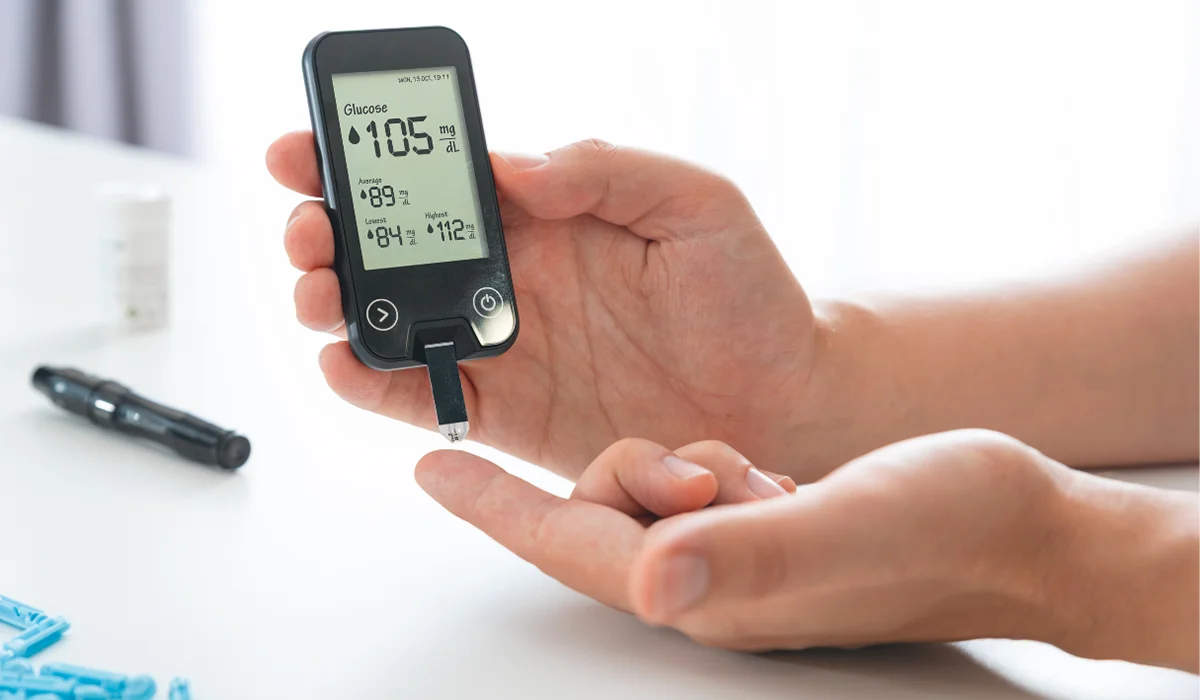
Research shows a strong link between glucose problems and acne in PCOS patients. A study found that women with fasting glucose above 100 mg/dl and 2-hour glucose levels over 140 mg/dl had much worse acne. High glucose levels match up with worse acne severity in women who have PCOS.
Hirsutism—excess hair growth in male patterns—gets worse with poor glucose control. Studies show that women with unexplained hirsutism (without other PCOS signs) have higher insulin levels and HOMA-IR scores than those without PCOS. This suggests insulin resistance plays a direct role in excess hair growth.
Weight management becomes harder because insulin works as a fat-storage hormone that puts fat around the belly. This creates the typical central weight gain in many PCOS patients and starts a tough cycle where more belly fat makes insulin resistance worse.
Long-term risks: diabetes and heart disease
Chronic high blood sugar in PCOS can lead to severe metabolic problems. More than half of PCOS patients develop type 2 diabetes by age 40. A newer study, published by researchers found that PCOS doubled the risk of getting diabetes over 18 years (23.1% versus 13.1%).
This is a big deal as it means that diabetes risk exists whatever your body weight. Normal-weight women with PCOS were three times more likely to get diabetes compared to normal-weight women without PCOS. This risk was higher than in overweight women without PCOS.
Women with PCOS also face higher risks of:
- Dyslipidemia (41.9% versus 27.7% in non-PCOS women)
- Hypertension
- Heart disease
- Stroke
- Sleep apnea
These risks grow worse when symptoms persist. Women whose PCOS symptoms stick around are seven times more likely to develop diabetes than women without PCOS. This shows why managing blood sugar matters throughout life.
Recent genetic studies suggest these heart and metabolic complications might not come directly from PCOS. Instead, they might stem from related features like obesity, high testosterone, and low sex hormone binding globulin—all factors that blood sugar control can affect.
The Science Behind Blood Sugar Balance
Blood sugar fluctuations play a crucial role in managing PCOS symptoms. Research shows that about 70% of women with PCOS have some form of insulin resistance. Learning to control glucose levels helps you manage symptoms better.
What is glycemic index and glycemic load?
The glycemic index (GI) shows how fast food raises your blood sugar compared to pure glucose (which has a GI of 100). Foods fall into three groups based on their GI values:
- Low GI foods (≤55): Your blood sugar rises slowly and steadily
- Medium GI foods (56-69): Your blood sugar goes up at a moderate pace
- High GI foods (≥70): Your blood sugar spikes quickly
The GI is just one piece of the puzzle. The glycemic load (GL) gives you a better picture because it looks at both the quality of carbs (GI) and how much you eat in one serving. Watermelon is a great example – it has a high GI of 80 but its GL is only 5 because a typical serving doesn’t have many carbs.
You can figure out GL by multiplying the GI by the amount of available carbohydrate and dividing by 100. A GL under 10 is low, while anything over 20 is high. This number helps you learn about how food affects your blood sugar in real life.
How glucose spikes affect insulin
High-GI foods make your blood glucose shoot up and crash quickly. Low-GI foods keep your blood glucose steady with a gradual decrease. These quick glucose spikes tell your pancreatic β-cells to pump out more insulin.
Your body releases extra insulin after eating high-GI foods, which can make your blood glucose drop too low (hypoglycemia). This creates a cycle – your body keeps releasing more insulin to handle blood sugar spikes until cells stop responding to insulin’s signals.
Women with PCOS face bigger challenges because insulin acts like a co-gonadotropin through its receptor and changes ovarian steroidogenesis. Higher insulin levels make your ovaries produce more testosterone, which makes PCOS symptoms worse.
Why stable blood sugar improves hormonal balance
High-GI and high-GL diets might damage your pancreatic β-cells’ ability to make insulin, which could lead to type 2 diabetes. PCOS patients face risks beyond diabetes that affect their reproductive health.
Stable blood sugar levels benefit women with PCOS in several ways:
Your body just needs less insulin, which means your ovaries make less testosterone. As insulin levels return to normal, androgen levels often drop too, and symptoms like acne, hirsutism, and irregular cycles get better.
Your ovulation improves with balanced blood sugar. Marsh and colleagues found that women with PCOS who followed a low-GI diet lost more weight and had more regular periods compared to those eating a regular healthy diet.
Steady glucose levels reduce inflammation, which makes PCOS symptoms less severe. The Mediterranean diet and DASH diet are full of low-GI foods and help control insulin resistance and blood sugar.
Your body stores less fat, especially around your belly where it makes insulin resistance worse, when you avoid blood sugar spikes. Small improvements in blood sugar control can break this cycle and help balance your hormones.
Top 3 Diets That Help Control PCOS Blood Sugar
Diet changes are powerful tools that help manage PCOS symptoms by targeting insulin resistance – the root cause. Research shows certain eating patterns can improve hormone balance and reduce metabolic complications that come with polycystic ovary syndrome.
Low-GI diet: benefits and food examples
Women who eat high glycemic index (GI) foods are more likely to develop PCOS. Even eating medium-GI foods makes PCOS three times more likely. A low-GI diet includes foods that raise blood sugar slowly instead of quickly. This helps normalize insulin levels and reduces androgen production.
The evidence backs this up. A study that ran for 12 months with 96 women showed better results for those who ate low-GI foods compared to a regular healthy diet. The numbers tell the story – 95% of women eating low-GI foods got their periods back to normal, while only 63% saw improvements on the standard diet.
Foods that help manage PCOS on a low-GI diet include:
- Fiber-rich vegetables: Broccoli, cauliflower, Brussels sprouts, leafy greens
- Proteins: Chicken, fish, tofu, beans, legumes
- Complex carbohydrates: Quinoa, brown rice, rolled oats, lentils, chickpeas
- Fruits: Berries, apples, pears (due to their fiber content)
These foods do more than control blood sugar – they make you feel full longer, help with estrogen metabolism, and create better hormone balance.
Mediterranean diet: anti-inflammatory effects
The Mediterranean diet has shown great results for women with PCOS. It fights inflammation, which is a common issue with this condition. This inflammation comes from obesity, insulin resistance, and high androgen levels, and it can affect your health and quality of life.
The Mediterranean diet works best when it includes:
- Salmon and other omega-3 rich fish twice a week
- Lots of fresh fruits and vegetables for antioxidants
- Olive oil instead of butter or margarine
- Whole grains rather than refined carbs
- Herbs and spices that fight inflammation
A newer study shows the Mediterranean diet helps protect against PCOS by reducing inflammation markers. Research with 527 people found that following this diet lowered the chances of having PCOS by about 24% (OR = 0.759).
Ketogenic diet: short-term vs long-term use
The ketogenic diet has gotten attention for PCOS management. This diet makes your body burn fat instead of carbs for energy, which might help improve several PCOS markers.
Short-term results look promising. Studies show women with PCOS who tried keto for at least 45 days saw better LH/FSH ratios, lower free testosterone, and more sex hormone binding globulin. The results get better with time – 92% of women got their periods back after 6 months, and all of them had regular cycles after 15 months.
The long-term picture isn’t as clear though. Experts suggest adding fiber and special carbs to protect gut health. The diet works differently depending on what medications you take. For example, pregnancy rates were 38.5% for women taking metformin but reached 100% for those who weren’t.
Each diet approach helps control blood sugar in its own way. The best choice depends on your symptoms, what fits your lifestyle, and your long-term health goals.
The Role of Fiber, Protein, and Healthy Fats
Blood sugar management for women with PCOS depends on three macronutrients. A nutritional foundation built on fiber, protein, and healthy fats helps control glucose levels and improves hormonal balance.
How fiber slows glucose absorption
Fiber naturally regulates blood sugar by slowing down glucose absorption into the bloodstream. Women who eat more fiber see smaller blood sugar spikes because it reduces the glycemic index (GI) and glycemic load of meals. This leads to less insulin circulation, which helps address insulin resistance—a main driver of PCOS symptoms.
Soluble fiber works best to control glycemic responses and improve insulin resistance. Its viscous properties slow down how glucose interacts with digestive enzymes, which delays breakdown, digestion, and absorption. This not only helps with glycemic control but also lowers fasting blood sugar, HOMA-IR, insulin, and HbA1c levels.
The benefits go beyond managing blood sugar. The largest longitudinal study showed women with PCOS who followed a low-GI, fiber-rich diet saw three times better improvement in whole-body insulin sensitivity compared to those eating conventional healthy diets. Even more impressive, 95% of women eating the fiber-rich low-GI diet got their menstrual cycles and ovulation back—while only 63% did on the conventional diet.
Protein’s effect on satiety and insulin
Protein stabilizes blood glucose levels in several ways. It makes you feel fuller, which helps you eat less and manage weight better. This matters because losing just 5% of body weight can improve PCOS symptoms.
Research shows high-protein diets (HPDs) substantially lower fasting insulin and HOMA-IR levels in women with PCOS. Protein and amino acids boost insulin secretion while helping clear insulin faster, resulting in lower plasma insulin levels.
Protein also helps build or maintain muscle mass—which burns more energy at rest. More muscle means better glucose control since muscles are where most glucose gets used. Adding protein-rich foods like fish, lean poultry, beans, tofu, and tempeh to meals helps regulate insulin sensitivity throughout the day.
Healthy fats and inflammation control
Women with PCOS often have mild inflammation that makes insulin resistance and hormonal imbalances worse. Without doubt, healthy, unsaturated fats offer anti-inflammatory benefits that can help break this cycle.
Foods rich in omega-3s like salmon, extra virgin olive oil, avocados, nuts, and seeds contain compounds that fight inflammation. These healthy fats also slow down glucose absorption when eaten with carbohydrates, which puts “brakes on your sugars”.
The best blood sugar balance comes from combining all three macronutrients: enough fiber (women need 25g daily, but most only get 19.6g), protein at each meal, and healthy fats. This nutrient combination works together to keep glucose levels stable, reduce insulin resistance, and help restore hormonal balance in women with PCOS.
Supplements That Support Blood Sugar and PCOS
Diet changes are the foundations of PCOS management, but specific supplements can help regulate blood sugar levels. These natural compounds work with proper nutrition to fix the metabolic imbalances that cause PCOS symptoms.
Inositol: restoring ovulation and insulin sensitivity
Inositol stands out as one of the most promising supplements for women with PCOS, especially in its myo-inositol (MI) and D-chiro-inositol (DCI) forms. These carbocyclic sugar compounds help insulin send signals to cells, which regulates how cells respond to various hormones.
The best results come from using both forms in a 40:1 ratio of MI to DCI, which matches their natural balance in the body. This combination helps:
- Lower fasting plasma glucose like metformin does
- Reduce insulin resistance even without weight loss
- Make ovaries work better and restore natural ovulation
- Bring menstrual cycles back to normal
Research shows taking 2g of myo-inositol twice daily reduces insulin levels, testosterone, LH/FSH ratio by a lot. This standard dose helps restore regular periods in women who previously had irregular cycles.
Berberine: natural insulin sensitizer
Berberine comes from several medicinal plants and works as well as conventional medications for blood sugar control in PCOS. Studies show it matches metformin’s ability to lower insulin and glucose levels.
Berberine works in several ways:
- Activates AMP-activated protein kinase (AMPK), just like metformin
- Boosts insulin receptor numbers and helps cells absorb glucose
- Lowers inflammation linked to insulin resistance
- Reduces waist size and waist-to-hip ratio better than metformin
Women trying to conceive might find berberine helpful – research shows it can improve ovulation rates by 25% after 4 months of use.
Vitamin D, magnesium, and chromium
These three micronutrients play vital roles in how your body processes glucose when you have PCOS:
Vitamin D levels are low in 67-85% of women with PCOS, which directly affects how insulin works. Taking vitamin D supplements helps your body make and release insulin better, creates more insulin receptors, and reduces inflammation. Regular supplementation improves fasting glucose levels and makes insulin work better.
Magnesium helps many enzymes that process glucose do their job. People who don’t respond well to insulin usually have low magnesium levels in their cells. Taking 300mg of magnesium before bed can improve both fasting blood sugar and insulin levels.
Chromium makes insulin more effective in your body. Studies show chromium supplements can lower blood glucose and insulin levels in women with PCOS. This makes it a great option for insulin-related problems.
Gut Health, Inflammation, and Blood Sugar
New research reveals an unexpected ally in managing PCOS – your gut microbiome. This complex ecosystem of bacteria lives in your digestive tract and plays a key role in blood sugar regulation and inflammation.
How gut microbiota affects insulin resistance
Women with PCOS often show gut dysbiosis—an imbalance in gut bacterial composition. The intestinal barrier gets damaged due to this imbalance, which creates a “leaky gut” and allows bacterial toxins to enter the bloodstream. These inflammatory mediators, especially lipopolysaccharides (LPS), trigger toll-like receptors that reduce insulin sensitivity.
PCOS patients have notable changes in their gut bacteria. Their Bacteroidetes-to-Firmicutes ratio increases and relates closely to insulin resistance. Scientists found more evidence when they transplanted gut bacteria from PCOS women into mice. The animals developed disrupted ovarian function, which proved gut microbes can cause PCOS symptoms.
The role of SCFAs and probiotics
Gut bacteria produce short-chain fatty acids (SCFAs)—mainly acetate, propionate, and butyrate—by fermenting dietary fiber. These compounds help maintain the intestinal barrier and activate receptors involved in glucose-stimulated insulin secretion.
PCOS patients tend to have lower SCFA levels, which reduces these benefits. However, probiotics offer hope. Clinical trials show that probiotic supplements can lower fasting blood glucose by 0.40 standardized mean difference and insulin levels by 0.57 standardized mean difference in PCOS patients.
Emerging research on microbiome and PCOS
State-of-the-art studies have identified specific bacteria that affect PCOS development. Bilophila, Blautia, and Holdemania help protect against PCOS, while higher levels of Lachnospiraceae relate to worse symptoms.
Scientists have found that gut bacteria affect bile acid metabolism, which changes insulin sensitivity through the farnesoid X receptor (FXR) pathway. Research shows that removing certain gut bacteria with antibiotics in PCOS mouse models improved insulin resistance. This opens new possibilities for targeted microbiome treatments.
Conclusion
Blood sugar management is the life-blood of PCOS treatment that targets root causes instead of just easing symptoms. This piece explores the deep connection between glucose metabolism and PCOS’s complex hormonal imbalances. Without doubt, insulin resistance affects all but one of these women with this condition. This creates a troublesome cycle that makes symptoms worse and raises long-term health risks.
Women with PCOS can break this cycle by controlling their blood glucose. Stable blood sugar levels cut down insulin production and lower androgen levels. This improves classic symptoms like irregular periods, acne, and unwanted hair growth. On top of that, it helps balance glucose metabolism, supports ovulation, boosts fertility, and reduces body inflammation.
Blood sugar management works well with several dietary approaches. Low-glycemic index foods prevent quick glucose spikes. Mediterranean diet components fight inflammation effectively. The ketogenic approach might help some women, especially in the short term. Whatever eating pattern you choose, you need plenty of fiber, protein, and healthy fats. These are the foundations of good glucose control.
Supplements like inositol and berberine boost insulin sensitivity as well as medicines do, but without side effects. Vitamin D, magnesium, and chromium help optimize glucose metabolism too. Recent studies also show that gut health surprisingly influences both insulin resistance and PCOS symptoms.
Blood sugar control reshapes PCOS management from a frustrating fight against individual symptoms into an integrated solution for metabolic imbalance. Small changes create big results. Many women see their symptoms improve dramatically with just modest changes in glucose regulation. Your most powerful strategy against PCOS and its complications is to work with healthcare providers who monitor your blood sugar and help you make targeted dietary changes.